Athletes Discover Acupuncture Treats Injuries and Boosts Performance

Athletes of many stripes are turning to acupuncture for an effective method of injury treatment and prevention. Professional football players from the ranks of the New York Jets, Minnesota Vikings, San Diego Chargers and more have embraced acupuncture to manage pain, speed injury recovery, and achieve peak physical performance in their sport. A review of research studies on the use of acupuncture in sports confirms its efficacy at increasing muscle strength and power in athletes.1

Sports acupuncture is used for injury treatment, prevention and (in combination with Chinese herbs) to improve athletic performance.2 Acupuncture taps into the body’s natural ability to heal itself. It can work in conjunction with Western medical treatment, and in cases where rest is prescribed for an injury, acupuncture reduces pain and accelerates the healing process without side effects.
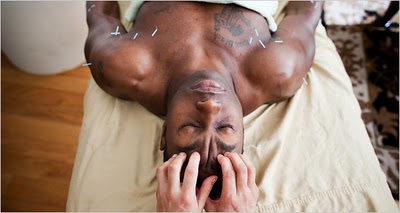
sports acup Tony+Richardson+1

New York Jets fullback Tony Richardson receives acupuncture regularly between practices and before games.

Matt Callison, a licensed acupuncturist and instructor at Pacific College of Oriental Medicine in San Diego, has been using sports acupuncture to treat athletes for 11 years and counting. Callison says, “traditional Chinese medicine [including acupuncture, herbs and exercises] has been an extremely helpful and growing trend in athletics for quite a while. Steve Young and Jerry Rice [of the San Francisco 49ers] have been treated with sports acupuncture, and Canadian speed skater Kevin Overland received sports acupuncture to help him earn a bronze medal in the 1998 Olympics.”3

Baltimore Ravens safety Will Demps credits acupuncture with boosting his performance on the field. “In my extensive off-season workouts, I have noticed a difference in my balance and agility since receiving [acupuncture] treatments…I feel my muscles have been ‘turned on’ and are firing on all cylinders.”3

In Major League Baseball, the Seattle Mariners were the first team  to utilize acupuncture, primarily due to the influence of Japanese players such as Ichiro Suzuki and Kazuhiro Sasaki. Players opt for acupuncture to help their muscles rebound more quickly after intense training, or to support rehabilitation and speed recovery from injuries.4

Proprioception, the body’s sense of where it is in space, is a process of the muscles communicating with the nervous system. Injury interferes with the body’s proprioceptive signals and creates imbalance. Acupuncture serves to relieve stress on the musculoskeletal system5 and “is one of the quickest ways to restore muscle balance,” says Callison. “When acupuncture is used at specific sites, the muscle spindles are reset, and then that balance is reawakened.”

The practice of acupuncture views pain as an imbalance or interruption of one’s qi (life force energy). The insertion of acupuncture needles triggers the release of pain- and inflammation-fighting chemicals in the body, and restores the cyclical flow of qi, allowing the body to function at more optimal levels. A qualified acupuncturist will first conduct a thorough intake and evaluation of symptoms, then create a targeted course of treatment for maximum results.

This is an original article from Dreamclinic, Inc. Dreamclinic is a Health and Wellness company committed to sharing information about commonly experienced health conditions and how they may be impacted through the use of bodywork and other natural approaches. Dreamclinic offers massage, acupuncture, and Reiki sessions at its Greenlake and Queen Anne clinics, as well as onsite massage at workplaces around Puget Sound. Contact us to learn more about how Dreamclinic can help you, your family or your workplace experience greater health.

References:
1. http://www.ncbi.nlm.nih.gov/pubmed/20386479
2. https://www.acufinder.com/Acupuncture+Information/Detail/Acupuncture+for+Sports+Performance+Enhancement
3. https://www.pacificcollege.edu/acupuncture-massage-news/articles/593-.html
4. http://www.bastyr.edu/news/general-news-home-page/2013/05/acupuncture-students-intern-mariners-spring-training
5. http://www.sciencedirect.com/science/book/9781437709278

Other resources:
1. http://www.reporterherald.com/ci_23252454/burning-run-bolder-boulder
2. http://www.bastyr.edu/news/general-news-home-page/2012/12/students-offer-sports-medicine-seattle-marathon
Image: http://www.nytimes.com/2010/11/30/sports/football/30acupuncture.html?_r=0
Effectively Manage Diabetes with Massage and Acupuncture

In the U.S., approximately 25.8 million people are diabetic, and this number continues to rise.1 Most of us know someone with diabetes who copes with managing the disease’s symptoms and side effects on a daily basis.

There are two types of diabetes. Type I makes up 10-15% of all cases, and is a chronic autoimmune condition which causes the pancreas to stop making insulin. Type II Diabetes accounts for 85% or more of all cases. With Type II, the pancreas still produces insulin, but the body’s cells have become insulin resistant. Some Type II Diabetics are able to control or reverse the disease through diet and lifestyle changes.

Despite their fundamental differences, both Type I and II Diabetics’ primary challenge is managing elevated blood sugar levels. Over time, high blood sugars can have detrimental effects on the body including poor circulation, weight gain, stiffening of muscles and connective tissues, gum disease, and peripheral neuropathy (nerve pain).

backmass
The mental and emotional stresses of dealing with a serious medical condition often trigger anxiety and depression, compounding the physical challenges brought on by diabetes. Scientific studies demonstrate that complementary treatments such as massage, acupuncture and yoga combined with Western medicine can effectively relieve the physical, mental and emotional stressors that result from diabetes.2

In addition to improving circulation, “Massage has been shown to decrease anxiety in a variety of patient populations, including people with diabetes. These stress-reducing benefits of massage have raised the possibility that massage may be of benefit to people with diabetes by inducing the relaxation response, thereby controlling the counter-regulatory stress hormones and permitting the body to use insulin more effectively.”3

According to an ancient Chinese medical book, the Nei Jing, acupuncture has been used to treat diabetes for over 2,500 years.1 Research has confirmed peripheral-neuropathyacupuncture’s ability to normalize blood sugar levels and to treat the pain associated with peripheral neuropathy.

Exercise is commonly prescribed as an important part of a diabetes management program. Yoga movement and breathing can improve circulation and oxygenation of the body, as well as increase mind-body awareness, giving diabetics a greater sense of self-control and empowerment in coping with their disease.

This is an original article from Dreamclinic, Inc. Dreamclinic is a Health and Wellness company committed to sharing information about commonly experienced health conditions and how they may be impacted through the use of bodywork and other natural approaches. Dreamclinic offers massage, acupuncture, and Reiki sessions at its Greenlake and Queen Anne clinics, as well as onsite massage at workplaces around Puget Sound. Contact us to learn more about how Dreamclinic can help you, your family or someone you love effectively manage the effects of diabetes.

References
1. https://www.acufinder.com/Acupuncture+Information/Detail/Treating+Diabetes+with+Acupuncture+and+Chinese+Medicine
2. http://www.acupuncture.org.uk/a-to-z-of-conditions/a-to-z-of-conditions/type-2-diabetes.html
3. http://spectrum.diabetesjournals.org/content/14/4/218.full

Images: http://myomassage.massagetherapy.com/images/backmass.jpg

http://okanaganacupuncture.com/wp-content/uploads/2011/01/peripheral-neuropathy.jpg

Other Resources
1. http://spectrum.diabetesjournals.org/content/14/4/218.full  
2. http://www.amtamassage.org/articles/3/MTJ/detail/1774
3. http://www.acupuncture.org.uk/a-to-z-of-conditions/a-to-z-of-conditions/type-2-diabetes.html
4. http://diabetes.webmd.com/guide/natural-remedies-type-2-diabetes
5. http://www.prevention.com/fitness/yoga/yoga-poses-help-ease-diabetes-symptoms?page=2

Dreamclinic Sponsors Blue Rooster Cycling for the 2014 Season

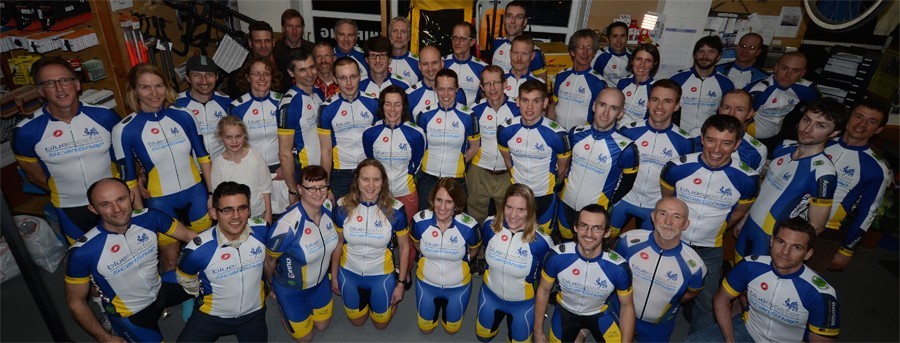
Dreamclinic is proud to sponsor Blue Rooster Cycling for the 2014 season as part of our commitment to community wellness.
blue roostergroup2013

Blue Rooster is a non-exclusive racing team whose members share their passion and experience to help others achieve their goals. Honor and fair play are fundamental values of their team. Their members not only love racing, but also consistently give back to the  community by organizing the largest stage race in the Northwest, volunteering at other racing events, supporting high school mountain bike teams, and keeping current on local efforts to improve cycling safety.

Look for the Dreamclinic logo on their jerseys as you see the Blue Roosters racing in our community! To learn more about the team, visit the Blue Rooster Cycling website:  www.blueroostercycling.com.

Massage Supports Mothers through Pregnancy and Beyond

by Diana Khoury

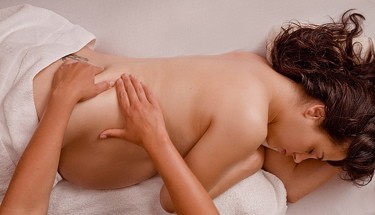
During pregnancy, a woman’s body goes through changes in physical form, structure, and internal function. While preparing for this important life change, pregnant women need physical and emotional support and are seeking it more often in the form of bodywork.

The March 2010 Expert Review of Obstetrics & Gynecologystates, “Complementary and alternative therapies have become increasingly popular for pregnant women and women in labor…The most common alternative therapies recommended during pregnancy were massage therapy (61%), acupuncture (45%), relaxation (43%), yoga (41%) and chiropractic therapies (37%).”1
preggers3
As a pregnancy progresses, the body’s weight shifts forward, putting more pressure on the legs and back to stay upright. Blood volume rises up to 50% over normal levels,2 amplifying pressure on the body’s major blood vessels.3 Due to the body’s increased blood volume and shift in alignment, circulation is not as efficient, especially in the legs. Collectively, these changes cause discomfort, pain, and added stress for the expectant mother.

The National Women’s Health Information Center estimates that 14% of women will encounter depression during or just after their pregnancy.4 Pregnant women experience depression due to changes in levels of dopamine and serotonin, important neurotransmitters that regulate mood. In studies, depression in pregnant women has been correlated to premature labor and low infant birth weight.1


Research conducted on expectant mothers with depression demonstrated that regular massage (as little as 20 minutes per week) increased serotonin and dopamine levels,  significantly reducing depression and anxiety. Decreases were also noted in heart rate, blood pressure, and cortisol, the body’s stress hormone.1 Lowered stress levels increased relaxation and improved sleep in pregnant women.5

According to the American Pregnancy Massage Association, “Massage prepares [the] body for delivery by helping increase elasticity and range of motion in the joints and muscles associated with childbirth. And by helping blood flow in the legs, massage can reduce the chances of edema, varicose veins and blood clots.”4 Massage has also been shown to relieve the pain of sciatica by reducing pressure on the muscles and nerves in the low back and legs.3

Research study participants who received massage regularly reported less pain in their back and legs during the weeks of pregnancy, and a shorter, less painful labor. In fact, in the massage group, labor duration was shortened by an average of 3 hours with a reduced need for pain medication.1

Massage can be sought at any time during a woman’s pregnancy, in cooperation with a prenatal plan established by a medical professional. A massage therapist (or trained partner) should focus on the areas of greatest tension, such as the back, while working within the mother’s pain tolerance. Light pressure may be used on the legs to encourage circulation and relieve pain. Little to no pressure should be applied to the abdomen, and extremely sensitive areas should be avoided.2

Research on massage and pregnancy confirms its effectiveness at relieving physical, mental and emotional tension during the prenatal period. Decreased stress and depression leads to increased bonding between mother and baby before, during and after birth. Massage can be a positive addition to prenatal care for both mother and baby, as well as an important source of physical and emotional support postpartum.

This is an original article from Dreamclinic, Inc. Dreamclinic is a Health and Wellness company committed to sharing information about commonly experienced health conditions and how they may be impacted through the use of bodywork and other natural approaches. Dreamclinic offers massage, acupuncture, and Reiki sessions at its Greenlake and Queen Anne clinics, as well as onsite massage at workplaces around Puget Sound. Contact us to learn more about how Dreamclinic can help you, your family or your workplace experience greater health.

Resources:
1. http://www.ncbi.nlm.nih.gov/pmc/articles/PMC2870995/
2. http://www.webmd.com/baby/pregnancy-and-massage
3. http://americanpregnancy.org/pregnancyhealth/prenatalmassage.html
4. http://americanpregnancymassage.org/about-pregnancy-massage
5. http://www.massagetherapy.com/articles/index.php/article_id/44/Pregnancy-Massage
Image: http://greenstreetlux.com/product/prenatal-massage-therapy-valentine-special/

Massage Therapy for Low Back Pain Relief

by Diana Khoury

A large percentage of the population will experience some form of lower back (lumbar) pain during their adult life. In fact, lumbar pain is one of the top 5 reasons people seek medical care in the United States today. “Total incremental direct health care costs attributable to lower back pain in the U.S. were estimated at $26.3 billion in 1998. In addition, indirect costs related to days lost from work are substantial, with approximately 2% of the U.S. work force compensated for back injuries each year.”1

lumbar-spine(1)

Financial costs aside, dealing with acute or chronic lumbar pain can be physically and mentally challenging, and disruptive to an active lifestyle.

The causes of lumbar pain vary.  It can result from an imbalance in the bones, muscles, joints or nerves in the lumbar region, or a combination. The imbalance may originate from bad postural habits, uncomfortable seats/chairs, poor footwear, skeletal misalignment, injury, asymmetrical muscle use (due to sports or other activities), or other, non-spinal sources within the body. Another factor is stress. Tired, aching, sore lower backs are often exacerbated by stress.

The Western medicine approach to lower back pain may involve treatment with medication, injections, or sometimes surgery. Increasingly, however, and for those patients that do not improve with anti-inflammatory medication, clinicians are recommending non-pharmacologic therapy with “proven benefits for acute lower back pain…[including] exercise therapy, acupuncture, massage therapy, spinal manipulation, yoga…or progressive relaxation.” 1

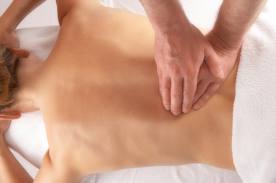
Josephine Briggs, MD, Director of the National Center for Complementary and Alternative Medicine, reports, “Massage is among the top ten most frequently used complementary health practices by adults and by children. Researchers have been investigating the effects of massage therapy on a number of wide-ranging conditions…[and] there is scientific evidence that points toward beneficial effects on back pain. low back massageIn fact, the American College of Physicians and the American Pain Society have issued joint clinical practice guidelines that include massage therapy as one of the non-pharmacologic treatment options that should be considered for patients with lower back pain.”2

A 2011 study from the Group Health Research Institute in Seattle investigated the effects of massage vs. medication and physical therapy on 401 participants suffering from non-specific lower back pain. After 10 weeks, two-thirds of the study participants receiving massage reported partial or full relief from their back pain, as opposed to a one-third success rate in those receiving standard medication and physical therapy.3

Massage is a non-invasive, low risk method of relieving lower back pain with little to no side effects. It can be sought independently or in support of a medical treatment plan.  It works by relieving muscle tension and increasing circulation and oxygenation of tissues, improving range of motion in the affected area(s). Massage also releases endorphins in the body, reducing pain and anxiety and lowering stress levels.4Whether lower back pain is acute or chronic, massage can facilitate the return to a pain-free, active lifestyle.

This is an original article from Dreamclinic, Inc.  Founded in Seattle in 2003, Dreamclinic is an award-winning Health and Wellness company, specializing in Massage Therapy, Acupuncture and Natural Health education.  We provide massage services at our Seattle area clinics and at Workplaces around Puget Sound.   Contact us to learn more about how Dreamclinic can help you, your family or your workplace experience greater health.

Resources:
1. http://annals.org/article.aspx?articleid=736814
2. http://nccam.nih.gov/research/blog/massage0214
3. http://www.npr.org/2011/07/04/137609072/got-lower-back-pain-massage-therapy-may-rub-it-out
4. http://www.spine-health.com/wellness/massage-therapy/can-massage-help-your-back-problem

Images:
www.tangobreath.com
http://brittanysnyderlmt.blogspot.com