
Dreamclinic Massage Offers Acupuncture
in Seattle/Roosevelt
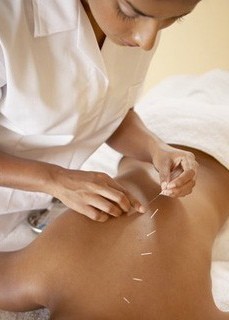
Acupuncture at Dreamclinic in Seattle/Roosevelt is based on a 3,000-year-old approach that believes a life-force energy called Qi (氣 pronounced “chi”) flows through the body along pathways called meridians. When this flow becomes blocked or unbalanced, it leads to illness. Acupuncture aims to unblock and rebalance Qi so the body returns to healthy functioning.
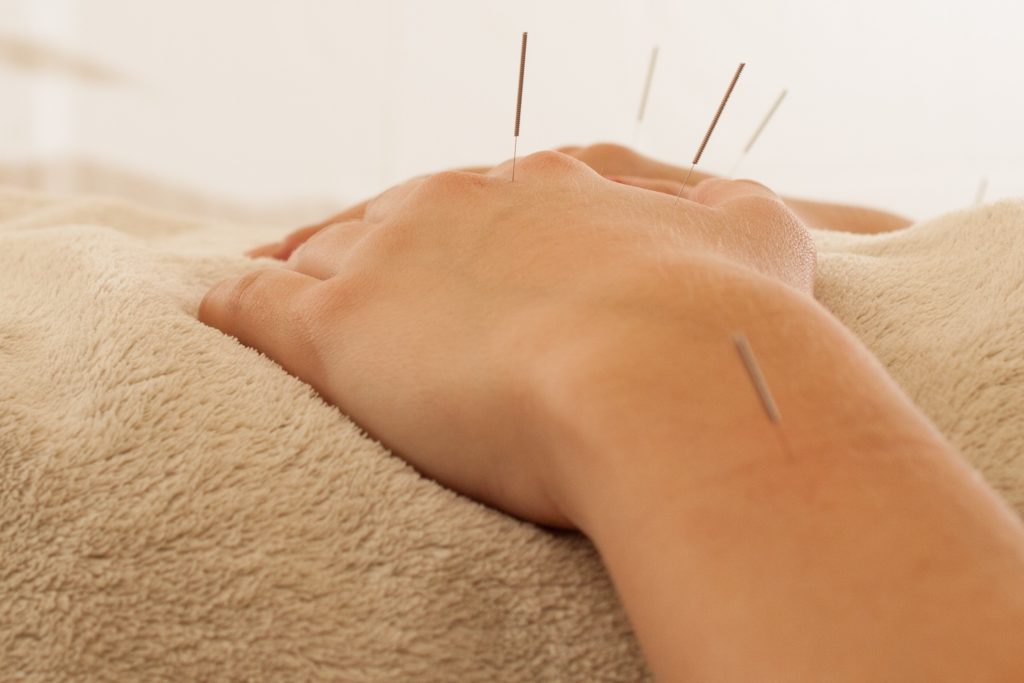
How Acupuncture Helps Your Body
Acupuncture accelerates healing by:
- Sedating parts of the limbic system, which affects mood and hormones
- Releasing endorphins to help you relax and reduce pain
- Subduing the sympathetic nervous system (“fight or flight”), reducing stress and improving immunity
- Increasing blood circulation, which nourishes organs, lowers cholesterol and triglycerides, and helps regulate blood sugar
What Happens in Your Acupuncture Session
Here’s what you can expect:
- Your first visit is mainly a consultation to discuss your condition and treatment options
- The acupuncturist creates a personalized treatment plan—this may include a mix of acupuncture, bodywork, lifestyle and dietary changes, or herbal medicine
- Mild or acute conditions may feel better quickly with minimal follow-up
- Moderate or chronic conditions may need regular treatments over time
- A typical acupuncture session lasts from 45 to 60 minutes
Conditions Acupuncture Treats
Acupuncture at Dreamclinic help with:
- Orthopedic and sports injuries
- Stress and anxiety
- Women’s health issues, including pre- and post-natal support
- Digestive disorders
- Adjunct therapy for upper respiratory illness
- Chronic pain
Start Feeling Better Today
Types of Acupuncture Practiced at Dreamclinic
Please visit our page about using your Insurance at Dreamclinic for more information.
You can find pricing for acupuncture sessions on our Services page.
Orthopedic Acupuncture
- Focuses on muscles and structural issues
- Needles are placed into trigger points
- Best for: muscle injuries, neuromuscular dysfunction, pain management
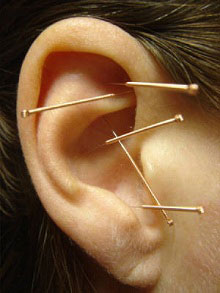
Auricular Acupuncture
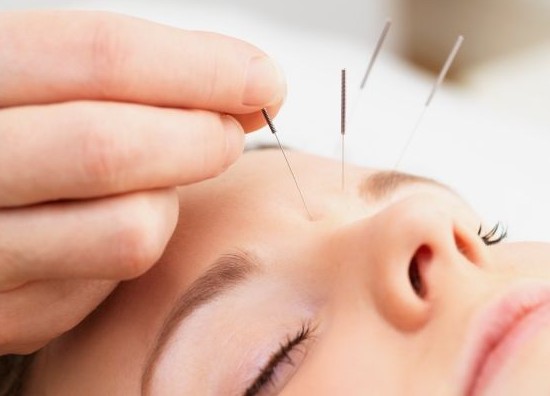
- Ear points are stimulated
- Signals travel to specific brain regions
- Best for: addiction, mood disorders, pain management
Japanese Acupuncture (Meridian Therapy)
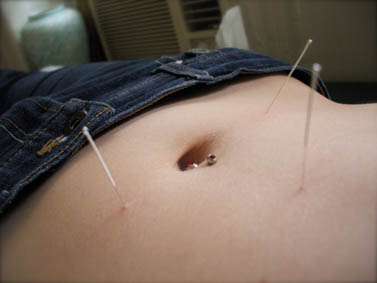
- Uses gentle needling and abdominal palpation to test points
- Best for very young, weak, or needle-sensitive patients
Traditional Chinese Medicine (TCM) Acupuncture
- Combines acupuncture with herbs, diet, and lifestyle guidance
- Best for: digestive issues, sports injuries, stress/anxiety, congestion, insomni
- Herbs are selected in formulas based on their natural qualities (e.g., “cold” herbs to treat fever)
Gua Sha
- A scraping technique that breaks up restricted muscles
- Can cause reddening of the skin
- Best for: scar tissue removal, tendinitis, and pain management
Cupping Therapy
- Uses suction to soften tight muscles and loosen adhesions
- Best for: respiratory conditions, high blood pressure, pain management






Frequently Asked Questions About Acupuncture
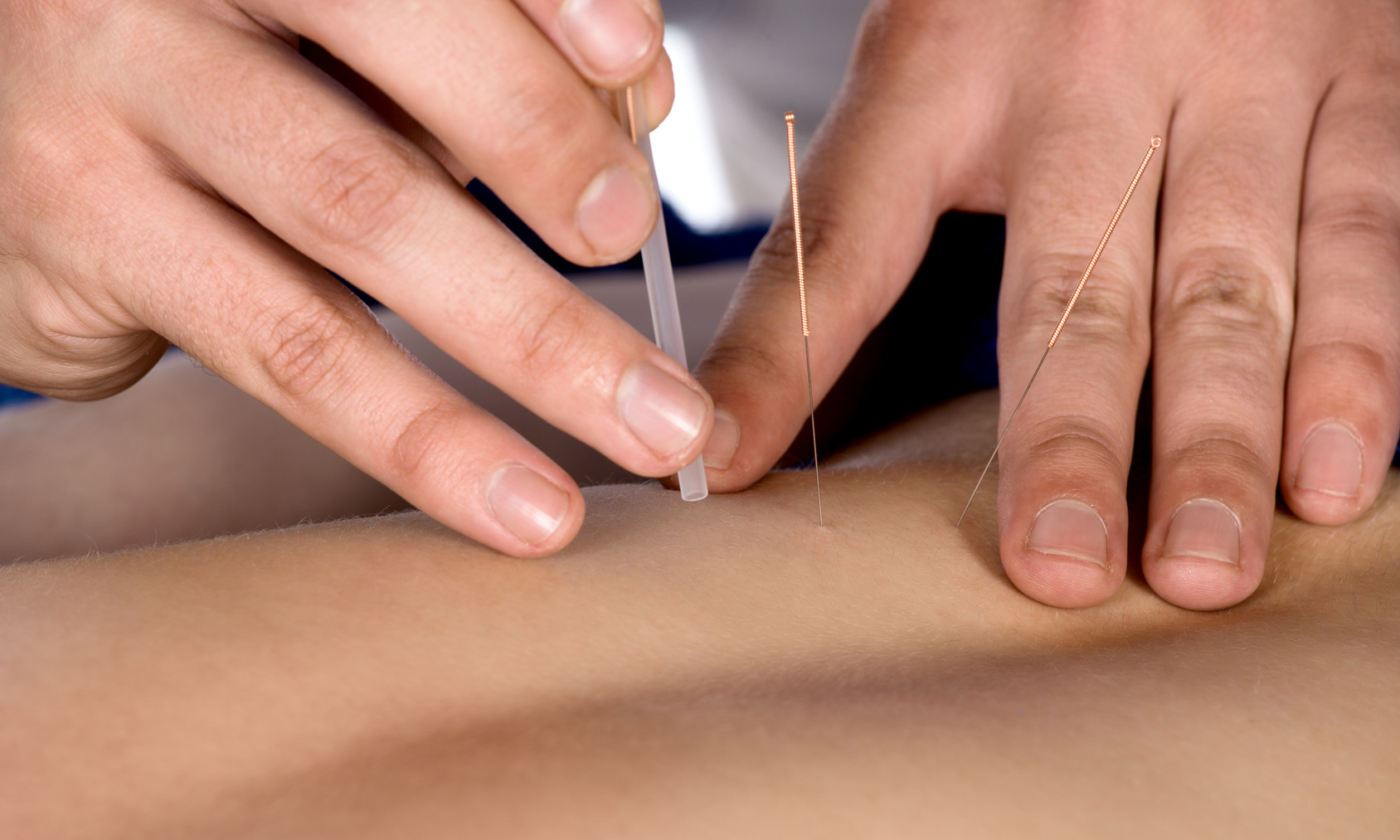
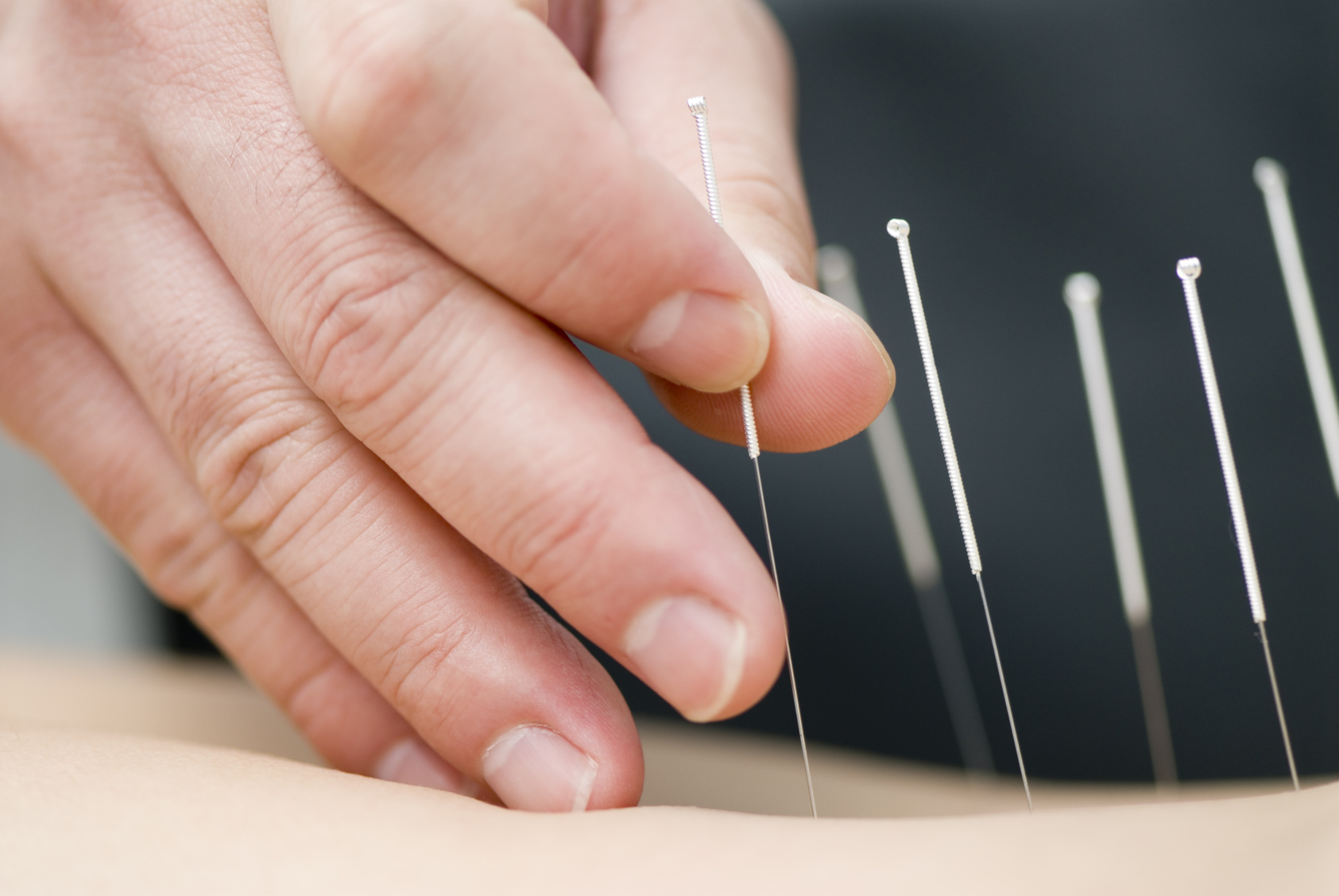
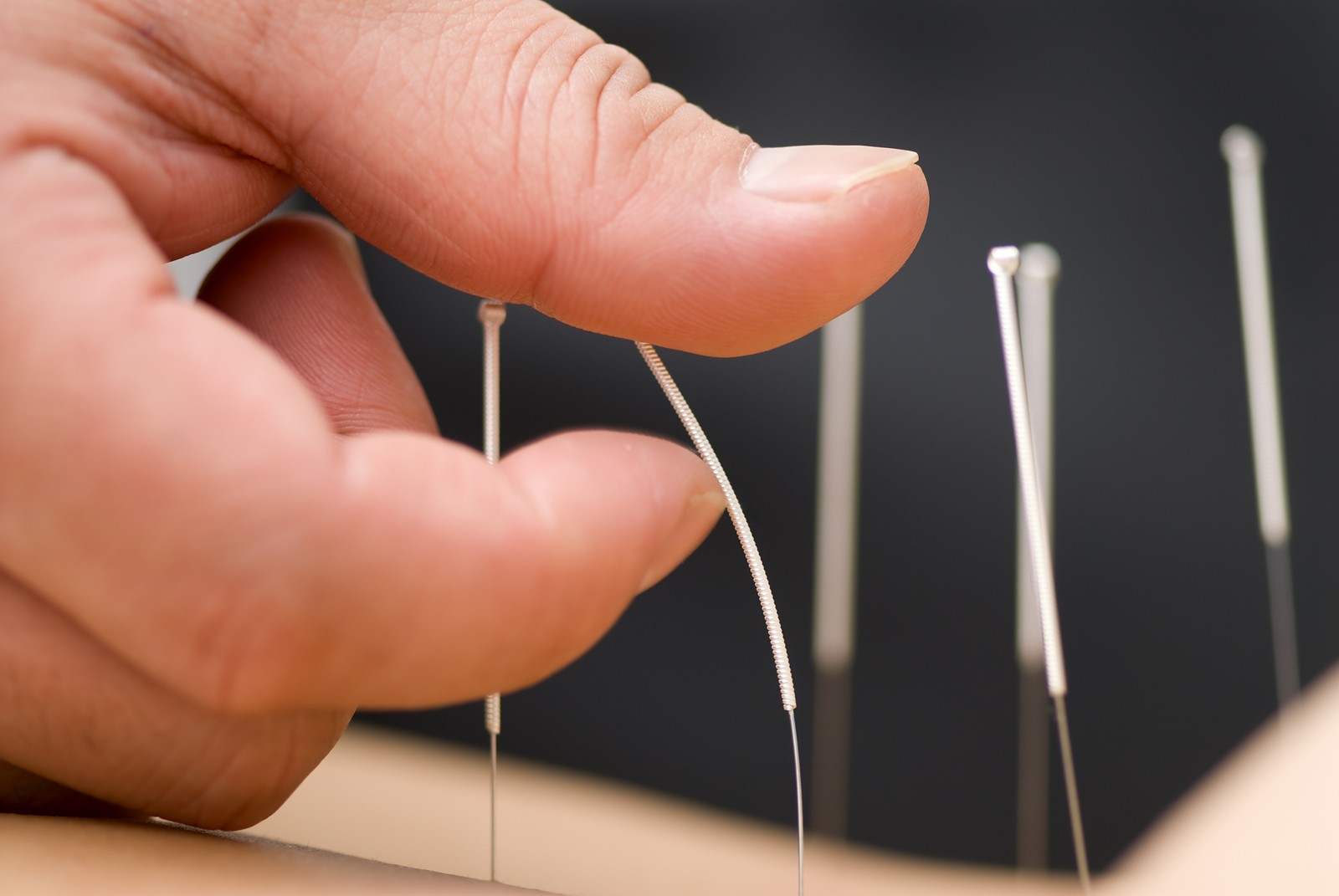
Most people do not feel any pain during acupuncture because the needles are extremely thin (the width of a hair). You might feel a momentary pinch, tingling, or warmth at the insertion site. Most patients find treatments relaxing and comfortable.
Yes. When performed by trained and licensed practitioners, acupuncture is very safe without side effects. Practitioners use sterile, disposable needles and follow strict hygiene standards to protect your health.
Yes — even people who are afraid of needles, once they try it, find acupuncture more comfortable than they expect because acupuncture needles are fine and are unlike medical needles.
To get the most out of your session:
- Wear loose, comfortable clothing so the practitioner can access points easily.
- Avoid heavy meals or alcohol right before treatment.
- Stay hydrated, and let your acupuncturist know about any medications or conditions you have.
This depends on your condition:
- Acute or mild issues may respond quickly in a few sessions.
- Chronic or long-standing conditions are best supported with a series of treatments over weeks or months. A personalized plan is formulated during your initial consultation.
It greatly depends on what you are receiving acupuncture for. With something like anxiety, you will feel improvement almost immediately after the first session. If you are treating long-term hormonal imbalances, for example, or orthopedic issues, increasing progress is made over several months. In general, how quickly you respond can vary depending on your health, symptoms, and how long the condition has been present.
Yes. Acupuncture can be used alongside conventional medical treatments and therapies. It does not interfere with most medications, and people find it helpful as a complementary approach.
Side effects, if any, are mild and temporary, such as slight soreness at one of the needle sites. In general, there are no negative side effects when treatment is performed by a trained professional. If cupping is performed in conjunction, you will see red circles for a day or two where the cups were applied.
Many pregnant women choose acupuncture to help with discomfort like back pain or nausea. If you have any concerns, it’s best to talk with your doctor about your specific situation before scheduling.