Dreamclinic Sponsors Running Evolution Team

Dreamclinic is now a proud sponsor of the Running Evolution team!

Running Evolution is the brain child of Beth Baker. She started the company after having her son (when she found herself 70 pounds more curves). Beth coaches people to start running and keep running. Her goal is to help as many people as possible change their life through the power of exercise.

Running Evolution has an amazing community and has changed the lives of thousands of new runners. More details and information on this exciting program can be found at www.runningevolution.com.

To learn more about becoming a Running Evolution coach, visit www.coachrunningevolution.com.

Plantar Fasciitis Treatment

by Diana Khoury

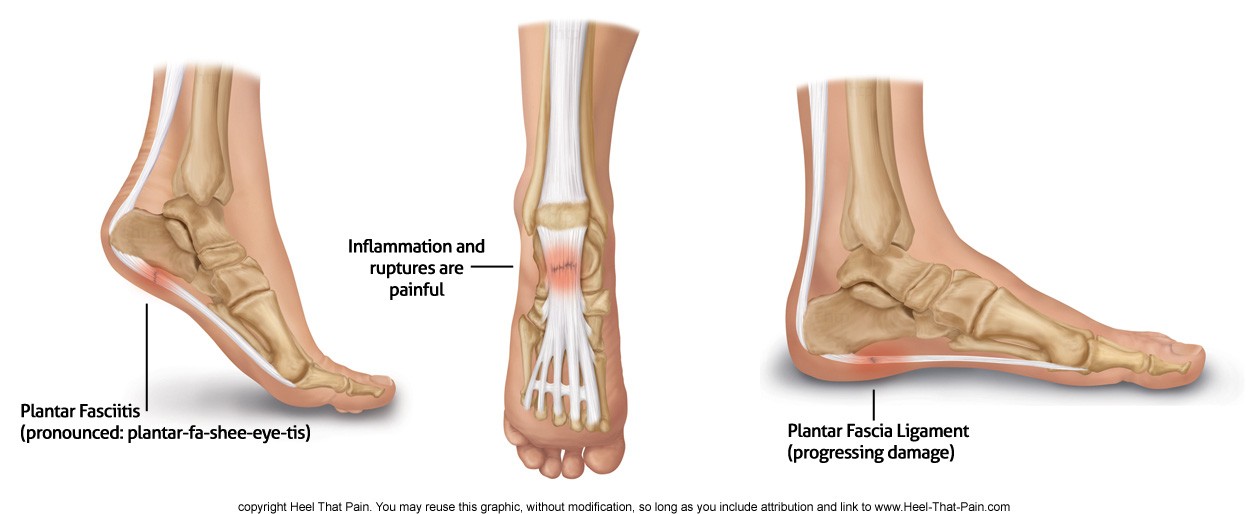
Plantar fasciitis (pronounced “plantar fash-ee-itis”) is an inflammation of the plantar fascia – the long, flat ligament that runs along the sole of the foot. The plantar fascia extends from the five toes, down through the arch and attaches to the heel. Symptoms of plantar fasciitis include pain in the heel and/or arches and tightness of the calves. Plantar fasciitis causes pain while walking or exercising and can significantly impact one’s daily functioning if left untreated.
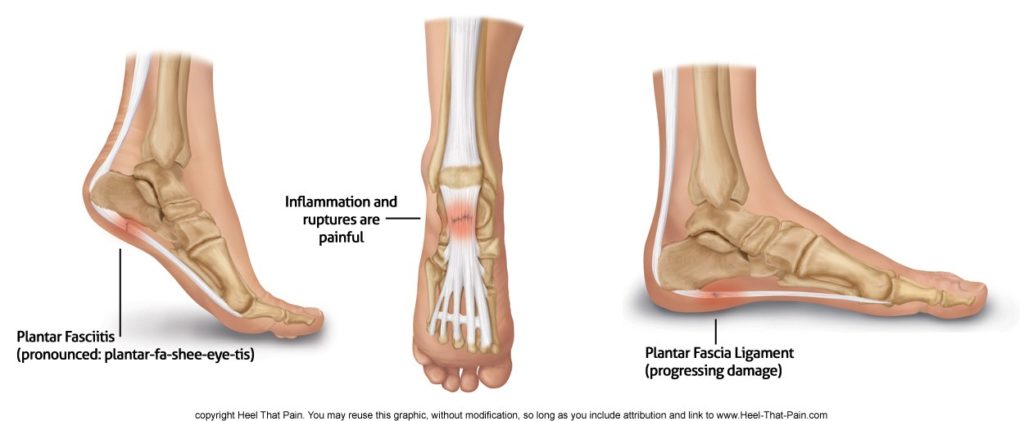
plantar-fasciitis

Causes

Plantar fasciitis occurrence may be classified as an acute strain or a repetitive stress injury.1 Factors which can contribute to plantar fasciitis are:

  • Abnormal step (sinking towards the inner or outer edge of arches)
  • Tight calves and feet
  • Improper athletic training
  • High, low, or flat arches
  • Foot weakness
  • Shoes that fit incorrectly
  • Prolonged walking, standing, or athletics

“Plantar fasciitis is basically caused by chronic irritation of the arch of the foot due to excessive strain. If the arch of your foot is like a bow, think of the plantar fascia as the bow’s string. The plantar fascia, along with several muscles both in the foot and in the leg, supports the arch and makes it springy. Too springy, and the foot flattens out, overstretching the plantar fascia. Not springy enough, and the plantar fascia absorbs too much weight too suddenly.”2

Treatment
Plantar fasciitis should be diagnosed by a medical professional. After proper evaluation (of patient’s foot structure, shoes, activity level), a treatment plan often includes rest, ice, ibuprofen, stretching exercises, new shoes, arch supports, or more expensive options such as orthotics, night splints, or cortisone injections. Surgery is recommended only in the worst cases where conventional treatments are unsuccessful.

If you experience pain in your heel(s) or arches, or have been diagnosed with plantar fasciitis, regular stretching can help. According to one study, 83% of patients in a stretching program were successfully treated for plantar fasciitis, and 29% of study participants cited stretching as the most helpful treatment.3

The objective of a plantar fasciitis treatment plan is to reduce pain and prevent reoccurrence, so the patient can resume a normal activity level. Treatment may last from 6-18 months for pain to be significantly reduced or eliminated. Consistency in following treatment protocols is essential for successful healing and pain reduction.

Acupuncture and Massage


Research has proven acupuncture to be successful at reducing the pain and inflammation of plantar fasciitis when paired with conventional treatment. A PubMed abstract says, “acupuncture coupled with conventional treatments provided a success rate of 80% in chronic plantar fasciitis which was more effective than conventional treatments alone. The effects lasted for at least six weeks.”4

Massage is another complementary method for relieving the pain of plantar fasciitis. “Deep tissue massage loosens muscle tissue, removes muscle toxins, and ensures proper circulation of blood and oxygen to the injured area. Deep tissue massage works because it physically breaks down the adhesions that are formed by tissues in the muscles caused by over exertion or strain.”5 As a result, the patient experiences less pain and increased ease when walking, standing, and participating in daily activities. Although lasting treatment takes time, patients have reported feeling partial to full relief from the pain of plantar fasciitis after a series of massage sessions.

This is an original article from Dreamclinic, Inc. Dreamclinic is a Health and Wellness company committed to sharing information about commonly experienced health conditions and how they may be impacted through the use of bodywork and other natural approaches. Dreamclinic offers massage, acupuncture, and Reiki sessions at its Greenlake and Queen Anne clinics, as well as onsite massage at workplaces around Puget Sound. Contact us to learn more about how Dreamclinic can help you, your family or your workplace experience greater health.

References:
1. http://www.jadeinstitute.com/jade/plantar-fasciitis-acupuncture-treatment-heel-pain.php
2. http://saveyourself.ca/tutorials/plantar-fasciitis.php
3. http://www.aafp.org/afp/2001/0201/p467.html
4. http://www.ncbi.nlm.nih.gov/pubmed/23227789
5. https://www.pacificcollege.edu/acupuncture-massage-news/press-releases/842-.html
Image: http://www.heel-that-pain.com/plantar_fasciitis/index.php

Other Resources:
1. http://www.heel-that-pain.com/plantar_fasciitis/index.php 

2. http://emedicine.medscape.com/article/86143-overview#showall
3. “Plantar Fasciitis is a Common Cause of Heel Pain,” Healthlink/Medical College of Wisconsin. April 12, 2001. http://healthlink.mcw.edu/article/987116429.html

Simple Stretch for Tight Calves

by Wayne T., LMP

escalator_up jackodilecomDid you know escalators can also be an excellent (and sneaky!) opportunity for a deep and energizing calf stretch?

Holding the handrail for support, start by positioning your toes on the edge of a step. Make sure your clothing clears the escalator’s moving edge so it doesn’t get caught. Using your body weight, drop your heels slowly so they sink lower than your toes, like you’re trying to touch the step below. Stretch one foot first, and when you reach midway on the escalator, switch to the other side for the rest of the ride. This stretch works the soleus and gastrocnemius muscles, and if it’s an especially long escalator, the hamstrings as well.

The escalator calf stretch is pretty subtle, so rest assured you won’t look like you’re prepping for a marathon in public… Needless to say, this simple stretch will put a little extra “pep” in your step, and it works on any escalator, any time. Escalators will never be the same!

~This article was written by Wayne T. – a massage therapist at Dreamclinic’s Roosevelt location. He attributes a great deal of his knowledge of massage, and the injury recovery process, to the treatment he received after being hit by a car as a pedestrian while enrolled in massage school. When he is not with a client, Wayne loves to play guitar and juggle just about anything he can get his hands on.

Dreamclinic Welcomes New Massage Therapists

eileenDreamclinic is happy to announce the addition of new massage therapists to our team!

New at Roosevelt…

Eileen O. (MA# 60407133) graduated from the Atlanta School of Massage in 2005. Eileen’s massage experience encompasses a range of work, from spa treatments to working with cancer patients. She specializes in Deep Tissue, Neuromuscular Therapy, Swedish, Hot Stone, Pregnancy and TMJ massage. Eileen strives to help her clients achieve optimum health and wellness through her massage techniques.


Ed LEd L. (MA#00021699) graduated from the Brenneke School of Massage in August 2005. Ed is a continuing education enthusiast and has studied many types of massage, including Lymphatic, Geriatric, Orthopedic and Sports massage. From these sources, he crafts a deeply soothing, personalized session that can range from full-body relaxation to interactive, structure-specific treatment and rehabilitation. For Ed, walking, yoga and music form part of a healthy lifestyle that includes both giving and receiving massage.


New at Queen Anne…

IMG_47580327427043~2Michael J. (MA# 00014730) graduated from Western Massachusetts’ Stillpoint Center School of Massage in 1996. He has continued his education by obtaining certifications in the Trager Approach®, Orthopedic massage, and Yoga instruc- tion. Since 2001, Michael has instructed in top massage schools in the Pacific Northwest and continues to teach kinesiology and muscle anatomy to massage & yoga students and professionals.  Michael brings a wealth of experience and knowledge to his massage sessions and loves educating people on how to move in their bodies with more ease and freedom.
 

Next time you are in, please say hello and help us welcome the new LMPs to Dreamclinic’s Roosevelt and Queen Anne locations.

Home Remedy for Easing Neck Pain

by Wayne T, LMP

Practice this self-help technique regularly to reduce or eliminate neck pain and tension. For this simple at-home trick, all you need is a towel and a hair-tie or rubber band.

1. Just before bed, take a regular length bath towel (or beach towel) and lay it out flat on the floor or bed.

2. Roll the towel lengthwise, so it is long and skinny.towelfairviewebenezerorg

Once it is rolled up, hang the towel around your neck so that both ends dangle in front of you.

3. Place the hair-tie or rubber band around both ends, halfway up the towel’s hanging length, to bind the loose ends together. You should now look like you’re wearing a towel as a neck tie!

4. Without a pillow, lay on your back in bed, with your head relaxed over the rolled towel and chin slightly lifted. This helps to promote the natural curvature in your neck as you sleep.

5. Enjoy a nap or wonderful night’s rest, knowing that when you wake up, you won’t spend 20 minutes rubbing that sore spot in your neck where the pain used to be.

~ This article was written by Wayne T. a massage therapist at Dreamclinic’s Roosevelt location. He attributes a great deal of his knowledge of massage, and the injury recovery process, to the treatment he received after being hit by a car as a pedestrian while enrolled in massage school. When he is not with a client, Wayne loves to play guitar and juggle just about anything he can get his hands on.

Pain Relief for Musicians

by Diana Khoury

Professional and aspiring musicians are athletes of their own kind. They practice often and prepare extensively for performances, exerting a physical toll on their bodies. Pain and repetitive stress injuries are common. Since musicians lack the built-in support system that sports athletes have (coaches, trainers, medical staff), most are on their own when it comes to caring for their primary instrument – their bodies. This, and the stigma of injury, keeps many musicians from dealing with the problem until they are physically unable to play.

Musculoskeletal pain in musicians results from a combination of poor body mechanics, lack of stretching, muscle overuse, repetitive movement, or reactivation of old injuries.

The most common issues encountered among musicians are: tendonitis, carpal tunnel syndrome, muscle spasm/ cramping, repetitive stress injury, nerve entrapment, and neck, shoulder and back pain. Each of these conditions may involve inflammation, hypertonic (overly tense) muscles, and pain. Pain occurs when a muscle ‘locks up’ and no longer has the ability to expand or contract naturally. Medication is often prescribed to alleviate symptoms, but it does not address the underlying cause(s) of pain and often has unwanted side effects.

musican massage

After many years in the business, musicians become accustomed to playing through their pain rather than seeking help. Or, they might not know what they can do about it. Massage can be a beneficial course of treatment. A therapeutic massage helps ‘unlock’ and release the offending muscle group(s), thus reducing pain, increasing circulation and oxygenation, removing toxins and improving range of motion.

“The good news is that muscle pain is treatable. As doctors Janet G. Travell and David G. Simons say in Myofascial Pain and Dysfunction: The Trigger Point Manual, ‘When patients mistakenly believe that they must “live with”…pain because they think it is due to arthritis or a pinched nerve that is inoperable, they restrict activity in order to avoid pain. Such patients must learn that the pain comes from muscles, not from nerve damage, and not from permanent arthritic changes in the bones. Most important, they must know it is responsive to treatment. This gives the pain a new meaning. When these patients realize the twin facts that their pain is myofascial and is treatable, their lives take on new meaning and they are started on the road to recovery of function.’”1

The most important aspect of a musician’s injury recovery is self-care. A comprehensive wellness plan may include exercise, body awareness, improved ergonomics, regular stretching and rest breaks from practice. In addition, partnering with a massage therapist to receive ongoing treatment is preventive care against further injury.

This is an original article from Dreamclinic, Inc. Dreamclinic is a Health and Wellness company committed to sharing information about commonly experienced health conditions and how they may be impacted through the use of bodywork and other natural approaches. Dreamclinic offers massage, acupuncture, and Reiki sessions at its Greenlake and Queen Anne clinics, as well as onsite massage at workplaces around Puget Sound. Contact us to learn more about how Dreamclinic can help you, your family or your workplace experience greater health.

References:
1. http://www.massagetherapy.com/articles/index.php/article_id/1518/Massage-For-Musicians

Other Resources:
2. http://www.webmd.com/pain-management/guide/musculoskeletal-pain
3. http://www.renewacupuncturecare.com/2/post/2013/04/acupuncture-for-musicians-when-pain-and-anxiety-have-you-singing-the-blues.html

Image: www.cntraveler.com

Cancer Patients Benefit from Massage

by Diana Khoury

Many of us know someone whose life has been affected by cancer. A cancer diagnosis can produce feelings of anxiety, doubt, confusion, guilt, fear and depression in the patient.1
A complicated diagnosis paired with an extensive course of treatment can be overwhelming to consider. Cancer treatment encompasses physical, emotional, psychological and social elements. Establishing a supportive care team before, during and after cancer treatment is imperative to achieving a positive outcome.

Cancer-Patient

Massage has been shown to help relieve cancer symptoms and reduce the side effects of treatment. Although massage cannot stop the growth or progression of cancer, a PubMed abstract states, “Therapeutic massage as a cancer pain intervention appears to be safe and effective. Patients who receive massage have less procedural pain, nausea, and anxiety and report improved quality of life… Massage has a positive effect on biochemistry, increasing levels of dopamine, lymphocytes, and natural killer cells.”2

“Some people worry that having a massage when you have cancer may make the cancer cells travel to other parts of the body. No research has proved this to be true.”3

A study done by the National Cancer Institute taught personal caregivers of patients (usually family members) massage techniques for cancer care via DVD instruction. Caregivers then regularly massaged their patients. Results of the study showed reduced symptoms and less side effects from cancer treatment, as well as increased social bonding and improved general comfort of the patient.

“‘The magnitude of the impact of family members was unexpected. Our research found significant reductions of pain, anxiety, fatigue, depression and nausea when massage was routinely administered at home by family and caregivers,’ states lead researcher William Collinge, Ph.D.
The study found massage by family members reduced stress/ anxiety (44% reduction), pain (34%), fatigue (32%), depression (31%), and nausea (29%).”4

For cancer patients seeking professional massage services, deep massage is not recommended, due to the potential of bruising and skin sensitivity (from radiation). Physical manipulation of bones is also discouraged, to avoid fractures of bones weakened during treatment of certain types of cancers.5 However, The American Cancer Society recognizes that “gentle massage and bodywork can be adapted to meet the needs of cancer patients.”6 It is recommended that a patient seek approval from their Oncologist before adding massage into their treatment plan.

Massage is increasingly being offered by hospitals and cancer care centers as a supportive therapy for cancer patients.2Massage is a non-invasive, cost effective way for patients to safely and effectively control pain and reduce the need for medications (thus reducing potential side effects). Regular massage can also help patients reduce stress, improve sleep, increase relaxation, boost immune function, and flush out toxins.

Adding massage as part of a comprehensive treatment plan gives cancer patients a greater sense of control over their own care. By decreasing anxiety and improving the ability to cope, massage empowers patients to take charge of their own healing process.

This is an original article from Dreamclinic, Inc. Dreamclinic is a Health and Wellness company committed to sharing information about commonly experienced health conditions and how they may be impacted through the use of bodywork and other natural approaches. Dreamclinic offers massage, acupuncture, and Reiki sessions at its Greenlake and Queen Anne clinics, as well as onsite massage at workplaces around Puget Sound. Contact us to learn more about how Dreamclinic can help you, your family or your workplace experience greater health.

References
1. http://www.cancer.org/treatment/treatmentsandsideeffects/emotionalsideeffects/copingwithcancerineverydaylife/a-message-of-hope-emotional-impact-of-cancer
2. http://www.ncbi.nlm.nih.gov/pubmed/16834941
3. http://www.cancerresearchuk.org/cancer-help/about-cancer/treatment/complementary-alternative/therapies/massage-therapy#
4. http://www.newswise.com/articles/unexpected-impact-when-family-caregivers-learn-touch-and-massage
5. http://lungcancer.about.com/od/treatmentoflungcancer/a/Massage-For-Cancer.htm
6. http://www.cancer.org/treatment/treatmentsandsideeffects/complementaryandalternativemedicine/manualhealingandphysicaltouch/massage
Image: www.giveforward.com

Other Resources
1. http://www.cancer.gov/cancertopics/pdq/supportivecare/caregivers/healthprofessional
2. http://www.ncbi.nlm.nih.gov/pubmed/18638693
3. http://www.ncbi.nlm.nih.gov/pubmed/18315504