Celebrate the season with meaningful giving. Dreamclinic gift cards are 20% off with code DREAM20 now through December 31.
Share the comfort of therapeutic massage and acupuncture — a gift that supports calm, health, and a lighter start to the new year. Click here to place an order!
Can you believe the holidays are already here? The lights are up, the playlists are on repeat, and that familiar mix of excitement and exhaustion is settling in. We hear it every year: “I love this season, but I am so exhausted.” At Dreamclinic, we believe in one simple truth, that physical ease aids emotional peace. And the secret weapon is a massage during the holidays.
Let’s talk about why massage during the holidays is a perfect gift you can give yourself (or someone you love).
The Holiday Hustle Is Real and Your Shoulders Know It
Travel delays, long shopping lists, too many sweets, and sleeping on a lumpy guest mattress… all of it adds up to sore muscles and that little voice in your head whispering, “I’m surrounded by cheer, but I feel drained.”
A massage helps you reset and recharge. In just 60 or 90 minutes, our therapists release the muscle tension and flood your system with feel-good endorphins. Suddenly you’re not just surviving the season, you’re back to thriving. You laugh louder at your family’s corny jokes and you actually enjoy wrapping presents instead of rushing through the ritual. Your body feels light, and your heart follows.
Creating Joyful Memories Starts with a Relaxed Body
Think back to your favorite holiday memory. Chances are it involves laughter and being fully present. That’s hard to do when your lower back is staging a full rebellion. But when tension goes away, you’re free to make memories that you and your family or your friends will recall and share for decades.
A Little Extra Touch When You Need It Most
Not every holiday is picture-perfect. Maybe you’re far from family this year. Maybe the quiet feels heavier than the cheer. Here’s something we don’t talk about enough: most of us are seriously touch-deprived. Hugs are hurried and handshakes are rare.
A massage is pure, caring, human touch. It’s an hour or more of someone focused entirely on your healing and comfort. Clients tell us they leave feeling seen, lighter, and surprisingly joyful. It’s like they just got wrapped in a big cozy blanket. If loneliness is creeping in, this is your permission slip to receive the warmth you deserve.
Ready to Feel the Joy?
This season, give yourself the gift of feeling truly good in your body and your heart. Book your massage during the holidays at Dreamclinic and step into the celebrations lighter, brighter, and full of warmth.
Because the best memories aren’t made when you’re stressed, they’re made when you’re feeling peaceful and comfortable in your body.
Starting Nov 27 through the end of December, 2025, enjoy 20% savings on any Dreamclinic gift card purchase. Use the code DREAM20 at checkout to save.
When you walk into a massage therapy session, you might think your therapist is just waiting for you to describe how you feel and let them know about any aches or pains. The truth is, skilled massage therapists are already picking up on a wealth of information about you before you even open your mouth. From the way you move to the tension in your shoulders, your body is telling a story—and they’re trained to read it.
Your Posture Speaks Volumes
The moment you step into the room, your posture says a lot about your musculoskeletal health. Are your shoulders hunched forward? Is your head or trunk tilted slightly to one side? These subtle cues reveal a lot about your daily habits and physical condition.
Massage therapists are trained to observe these patterns and can often pinpoint muscle imbalance just by watching you walk or stand.
Your Gait Tells a Story
Your walk is another giveaway. A limp, uneven stride, or favoring one side can signal anything from an old injury to tight muscles or joint issues. For instance:
A hesitant step might mean you’re compensating for knee or ankle pain.
A stiff, rigid gait could indicate tightness in your lower back or hips.
Shuffling feet might suggest fatigue or even neurological concerns in some cases.
The best therapists notice these details and use them to tailor the session to address potential problem areas. Of course your massage therapist will speak with you as well for additional input -)
Muscle Tension and Trigger Points
Once you’re on the table, your massage therapist’s hands become their primary tool for gathering information. As they begin the massage, they can feel areas of tension, knots, or trigger points, those tender spots that seem to radiate discomfort. These physical cues tell them:
LIfestyle habits: Tight shoulders and/or tight neck muscles often reflect sub-optimal work set-up, unfortunate habits such as slouching while you read, or poor ergonomics such as wrong desk height, etc…
Repetitive strain: Tightness in specific areas, like the forearms for someone who types all day, can point to repetitive strain, which, unaddressed, increases the chance of injury.
Injury history: Scar tissue or adhesions often result from a past injury that went untreated or hasn’t fully healed. For example, many people don’t know to seek massage after a car accident and develop adhesions that hamper mobility and quality of life for years (until they discovery massage)
By palpating your muscles, your massage therapist is able to map out where your body is holding onto tension and why.
Your Breathing Patterns
Even your breathing gives away information. Shallow, rapid breaths might suggest stress, anxiety, or even pain, while slow, deep breathing indicates a more relaxed state.
By observing your breathing, your therapist will gauge your stress levels and adjust their approach to help you relax more fully.
How They Use This Information
All of these observations help your massage therapist create a customized session. They will:
Focus on specific muscle groups to release tension or improve mobility.
Adjust pressure to suit your comfort level or address sensitive areas.
Suggest stretches or lifestyle changes to support your body between sessions.
By reading your body’s signals, they address not just your immediate discomfort but also underlying issues that might be contributing to it.
The Takeaway
Your massage therapist is like a detective, between what you share explicitly and what they observe about your posture and breathing, they piece together clues from your body to understand your physical and emotional state. Before you even describe your symptoms, they’re already forming a picture of what’s going on and how they can help. So, the next time you step into a session, know that your body is already speaking for you, and a skilled therapist is listening.
It’s Spooky Season and there are no tricks here, just treats! From October 6th – October 31st, we’re giving your massage a seasonal boost with a complimentary add-on.
To take advantage, use promo code BOOCARE25when booking a massage session with your preferred add-on, that takes place by October 31st
Cupping
Hot Stone
CBD Cream
Don’t miss out—claim your Boo-king and treat yourself this spooky season! Check here or call 206-267-0863 to schedule. Happy Halloween!
*Cannot be used for sessions covered by PIP insurance
Today we’re tackling a topic that affects so many of us: the muscle groups we neglect until they start screaming for attention. These five muscle groups – hip flexors, upper back, hamstrings, calves, and neck are often overlooked in workouts or daily care, leading to pain that can disrupt your life.
We’ll share some simple, actionable tips to keep them healthy. Dive in and learn how to keep pain at bay with some self-care and, occasionally, with a little help from expert massage therapists.
Why Neglected Muscles Cause Pain
Let’s look at why neglecting your muscles can cause problems. Long hours of sitting, repetitive movements, or even intense workouts without proper recovery can leave certain muscles tight, weak, or out of balance. This misalignment often leads to discomfort or even injury.
At Dreamclinic, we see it every day—from office workers with stiff necks to runners with tight calves. The good news? With a little awareness, small lifestyle adjustments, and supportive care like deep tissue massage or cupping, you can make a big difference in how your body feels and functions.
Top 5 Most Neglected Muscle Groups
1. Hip Flexors: The Sitting Culprit
If you sit a lot (hello, desk jobs!), your hip flexors—muscles like the psoas and iliacus that help you bend at the hip—are likely contracted. The hip flexors shorten from prolonged sitting, then they start pulling on your lower back, causing pain there or in your hips.
Signs of Trouble: Lower back ache, hip stiffness, or trouble standing up straight after sitting.
What to do: Try the kneeling hip flexor stretch—kneel on one knee, push your hips forward gently, and hold for 20-30 seconds per side (3 reps). Pair it with our deep tissue massage to release tension. Strengthening with leg raises (3 sets of 10) also helps.
Why It Matters: Healthy hip flexors improve posture and prevent back pain, especially for our active clients who love hiking or running.
2. Upper Back: The Posture Wrecker
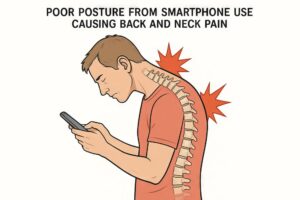
Your upper back muscles, like the rhomboids and trapezius, support your shoulders and spine. Slouching over phones or laptops weakens them, leading to rounded shoulders and pain.
Signs of Trouble: Neck stiffness, shoulder pain, or that “hunchback” feeling.
What to do: Do doorway chest stretches—stand in a doorway, arms at 90 degrees, lean forward for 20 seconds (3 reps). Strengthen with reverse flys using light weights (3 sets of 12).
Why It Matters: Strong upper back muscles mean better posture and less strain, whether you’re a gym-goer or a desk warrior.
3. Hamstrings: The Tight Mover
Your hamstrings, at the back of your thighs, are key for walking and running but get tight from sitting or overexertion without
stretching. Tight hamstrings can pull on your pelvis, causing lower back pain.
Signs of Trouble: Back of thigh tightness, lower back pain, or reduced flexibility (can’t touch your toes?).
What to do: Try a seated hamstring stretch—sit with one leg extended, reach for your toes, hold 20-30 seconds per side (3 reps). Strengthen with hamstring curls using a resistance band (3 sets of 12). Our sports massage works well for runners and cyclists to loosen these up.
Why It Matters: Flexible hamstrings boost mobility, and prevent injuries, keeping you moving smoothly.
4. Calves: The Overworked Supporters
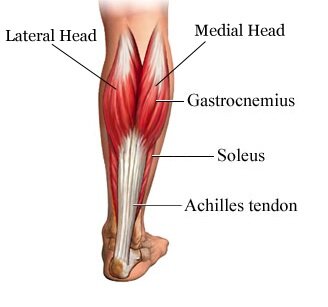
Your calf muscles (take a beating from standing, walking, or wearing heels. Tight calves can lead to Achilles tendon issues or even knee pain.


Signs of Trouble: Calf tightness, heel pain, or cramps during exercise.
What to do: Do a —face a wall, one leg back, heel down, hold 20-30 seconds per side (3 reps). Strengthen with heel raises (3 sets of 15).
Why It Matters: Supple calves support your every step, reducing strain on your feet and knees and helping with balance.
5. Neck Muscles: The Stress Magnet
Your neck muscles, like the levator scapulae and sternocleidomastoid (SCM), hold tension from stress, poor posture, or sleeping awkwardly. This can lead to headaches, reduced range of motion, or shoulder pain.
Signs of Trouble: Neck stiffness, headaches, or pain when turning your head.
What to do: Try a side neck stretch—tilt your head toward one shoulder, hold 20 seconds per side (3 reps). Strengthen with isometric neck exercises—press your hand against your forehead gently, resist for 5 seconds (10 reps). Massage is great for easing neck tension safely, and helps everyone relax.
Why It Matters: A relaxed neck means fewer headaches and better focus, whether you’re a busy parent or a professional.
Prevention Tips to Keep Pain Away
To keep these muscles happy long-term:
Move Regularly: Stand and stretch every hour if you sit a lot.
Balance Your Workouts: Include stretches and strength moves for all five muscle groups.
Listen to Your Body: Don’t ignore early aches or tension—address them with stretches or a visit to a great massage therapist (like those that work at Dreamclinic!).
Stay Consistent: Pair at-home exercises with regular massage for lasting relief.
Neglecting these muscle groups causes increasing problems over the long-term and some think of it as ‘just aging.’ Yet, with a little care, you can stay pain-free and flexible, and move freely. Whether you’re a loyal Dreamclinic client or just finding us, we’re here to support your wellness journey. Book a massage session online or give us a call.
It can come as a surprise – you are getting a massage (or you just finished) and you notice a wave of emotions coming on all of a sudden. You might have a quiet cry or feel unexpectedly calm yet raw, or you may notice memories you haven’t thought about in years. If this has happened to you, you’re not alone and it’s completely normal.
The Connection Between Body and Emotions
The human body and mind are deeply interconnected, with physical touch often serving as a bridge to emotional experiences. Massage involves intentional, therapeutic contact that engages the nervous system, muscles, and connective tissues. This process can unlock stored emotions, as the body holds onto stress, trauma, or unresolved feelings in ways that are not always consciously recognized.
The Role of the Nervous System
Massage stimulates the parasympathetic nervous system, which governs rest and digestion, shifting the body from a state of heightened alertness (sympathetic activation) to one of calm and restoration. This shift can lower cortisol levels, the hormone associated with stress, while increasing oxytocin and serotonin, which promote feelings of trust and well-being. As the nervous system recalibrates, suppressed emotions—such as sadness, grief, or even joy—may surface unexpectedly.
Research suggests that the vagus nerve, a key component of the parasympathetic system, plays a significant role in this process. Vagus nerve stimulation through touch can enhance emotional regulation, sometimes leading to the release of pent-up emotions. This is why some individuals may feel a sudden urge to cry or experience a wave of nostalgia during a session.
Somatic Memory and Emotional Storage
The concept of somatic memory refers to the idea that the body can “store” emotional experiences in muscles and tissues. For example, chronic tension in the shoulders or neck may be linked to prolonged stress or emotional burdens. When a massage therapist works on these areas, the physical release of tension can trigger an emotional response, as the body lets go of both physical and psychological strain. This phenomenon, sometimes called “body memory,” is supported by studies in somatic psychology, which highlight how trauma and stress can manifest physically.
What To Do if you get Emotional During Massage
Give yourself time afterward. If you can, avoid rushing back into your day. A short walk, journaling, or quiet time at home can help you integrate the experience.
Allow space for your feelings. Just knowing that this happens may help you avoid being embarrassed about your feelings —simply noticing them is enough.
Be gentle with yourself. Consider taking a bath, a special meal with friends or family, or simply going to bed early or watching something fun on TV. Some TLC supports recovery.
In summary, when emotions surface during a massage session, trust that this is part of your body’s natural way of processing. Many Dreamclinic clients come in regularly and seeing the same therapist or the same few therapists also helps build a sense of trust so you can remain at ease even if you do get emotional. We all know that massage is truly therapeutic – sometimes the body lets go of tension, and sometimes it also lets go of emotion. There’s no need to do anything special — simply let the experience be part of your ongoing care.
Therapeutic massage is all about getting to the root of physical issues like chronic pain, recovering from injuries, or fixing posture problems. It’s not like your typical relaxation massage, which is great for relaxing but often just skims the surface. Therapeutic work dives deep, targeting your muscles, fascia, and your nervous system to sort out specific aches and pains.
If you’re dealing with issues like repetitive strain injuries, pinched nerves, or chronic tension from too much desk time, therapeutic massage is your go-to. It breaks up scar tissue, gets your muscles moving freely again, and helps your joints feel looser. A therapeutic massage therapist will use deep tissue work with techniques like cross-fiber friction, myofascial release, or trigger point therapy, all customized to what’s happening with your body.
Check out therapeutic massage options to ease pain and get your body working better.
The Medical Benefits of Therapeutic Massage
Unlike a relaxing spa session, therapeutic massage brings real, lasting benefits to keep your body in good shape:
Reduces chronic pain by releasing muscular tension and fascial restrictions
Improves mobility through soft-tissue manipulation that restores normal joint function
Enhances blood flow and tissue healing by improving circulation to injured areas
Alleviates nerve compression, reducing numbness, tingling, and radiating discomfort
Corrects postural imbalances that place chronic strain on muscles and joints
It’s not just about feeling good for an hour or managing symptoms —it’s about tackling the real causes of your discomfort.
Not a Treat, But a Tool for Resilience
Many people are cutting back on non-essential spending—and understandably so. Things that feel optional or indulgent, like spa visits or cosmetic treatments, are often the first to go. But therapeutic massage is not a luxury—it’s a health-supporting tool that helps the body function and recover under stress.
Stress, whether it’s from bills or just life, loves to settle into your body. It is stored in your muscle tissue among other places. That tension can turn into stiffness, trouble sleeping, or even constant pain. Therapeutic massage steps in to break that cycle. It gets your blood flowing, calms your nerves, and helps your body hit reset. When things feel heavy, staying mobile and clear-headed makes a huge difference.
Instead of letting pain build up or injuries get worse, think about how therapeutic massage can keep you steady and ready for whatever’s next.
When to Choose Therapeutic Massage
Therapeutic massage is recommended when:
Recovering from injuries (sports, workplace, or post-surgical)
Managing chronic neck, back, or shoulder tension (or other body areas)
Experiencing nerve impingement (such as sciatica or thoracic outlet syndrome)
Dealing with repetitive strain injuries like carpal tunnel
Preparing muscles for athletic performance or post-event recovery
If you’re after more than a quick fix— not just temporary relief, but functional improvement and injury prevention — therapeutic massage is a smart way to go.
Regular therapeutic massage can really help with chronic conditions like degenerative disc disease, fibromyalgia, or those recurring tension headaches. It works on muscle imbalances and eases strain on your joints, so you can keep moving without pain holding you back.
If you’ve had surgery or an old injury, therapeutic massage will break up scar tissue around the site of the original injury or incision, to restore full range of motion and get you moving naturally again. It’s all about supporting your body to stay flexible and strong, especially when life’s demanding a lot.
If you’ve been curious about in-home massage but aren’t quite sure how it all works, you’re not alone. Many people have questions before booking their first mobile massage—and that’s totally normal. Whether you’re looking to save time, avoid traffic, get back on your feet, or just enjoy the comfort of your own space, mobile massage can be a game-changer for your self-care routine.
In this post, we’ll walk you through everything you need to know so you feel confident, prepared, and fully prepared when your massage therapist arrives.
Before Your Appointment: Getting Ready
No need to deep-clean or completely rearrange your home. All you really need is:
A space big enough for a massage table (about 10’ x 9’)
A quiet environment where you can comfortably relax
Access to a bathroom for your therapist to wash their hands
Two clean (ideally twin-size) sheets, a towel or blanket, and a pillowcase.
Your massage therapist will bring everything else—massage table, lotion, music, and any tools needed for your personalized session. And yes, they will have back up linens in case you forget.
The Arrival: What Happens When the Therapist Shows Up
For your first mobile massage, your therapist will usually arrive within 10–15 minutes of the scheduled start time (allowing for traffic). Before they start the session, the therapist will:
Set up the massage table and supplies
Do an intake to discuss your goals and areas of focus
Share the plan for your session so you can make any final adjustments
The therapists always ask a few questions about your health history, preferences, and any pain or tension you’ve been experiencing. This ensures your session is safe and effective.
During the Massage
Once everything is set up and you’re on the table, it’s time to relax. Your mobile massage experience will feel very similar to what you’d experience at a massage clinic. Depending on your needs, your massage therapist will use techniques like:
Swedish massage for general relaxation
Deep tissue massage for chronic tension and stubborn knots
Sports massage for athletic recovery
Trigger point, friction and other techniques for injury-specific work
Once your massage is complete, your therapist will quietly pack up and leave your space just as they found it.
Post-massage tips:
Drink water to flush out toxins released during the session
Avoid strenuous activity for a few hours
Pay attention to how your body feels and note any changes. (Most people feel terrific after massage 🙂 )
Why Try a Mobile Massage?
Your first mobile massage can be a game-changer if you’re short on time, value privacy, or simply want a more comfortable experience. It’s perfect for:
Busy professionals
Parents at home with kids
Those recovering from injury
Those with limited mobility
Anyone who prefers not to travel
At Dreamclinic, we’ve helped many clients enjoy expert care at home. Our skilled therapists are here to make your mobile massage safe, easy, and truly therapeutic.
Ready to Book Your First Mobile Massage?
We make it simple to get started. Whether you’re in Queen Anne, Tacoma, Everett, Issaquah or somewhere in between, Dreamclinic offers flexible appointment times and 7-day-a-week availability, and unmatched service.
Book your session today or give us a call and save $50 for your first mobile massage with promo code: RECHARGE —we’re happy to answer any questions before your first mobile massage.