Acupuncture for the Treatment of IBS

Irritable bowel syndrome (IBS) describes a combination of symptoms including chronic abdominal pain, constipation, bloating, diarrhea, and indigestion. An estimated 10 to 20 percent of Americans suffer from the condition, with three times as many women being affected as men. April is IBS Awareness Month and so we turn our attention to ways that acupuncture can assist in symptom management.

The cause of IBS is not really known. Because the symptoms appear differently in each individual, misdiagnoses are common. For those who have tried everything from antibiotics to laxatives with little to no results, it may be time to give acupuncture a try.

At the core of IBS is a disruption between the liver and the spleen, which are responsible for the flow of outside substances through the body and transforming our food into energy. When this flow is upset, it creates disharmony that causes uncomfortable symptoms. Acupuncture, long used to stimulate and open these channels, may help alleviate the condition.

A study presented to the American College of Gastroenterology investigated the use of acupuncture versus relaxation therapy in patients with IBS. Participants in the study were treated with either acupuncture or relaxation therapy three times a week for two weeks. At the end of the trial, people in both groups reported significant reduction in abdominal pain. However, following a four-week post-trial period, only the acupuncture group experienced ongoing relief. The acupuncture group also reported a significant reduction in stress, which was not experienced by the relaxation group.

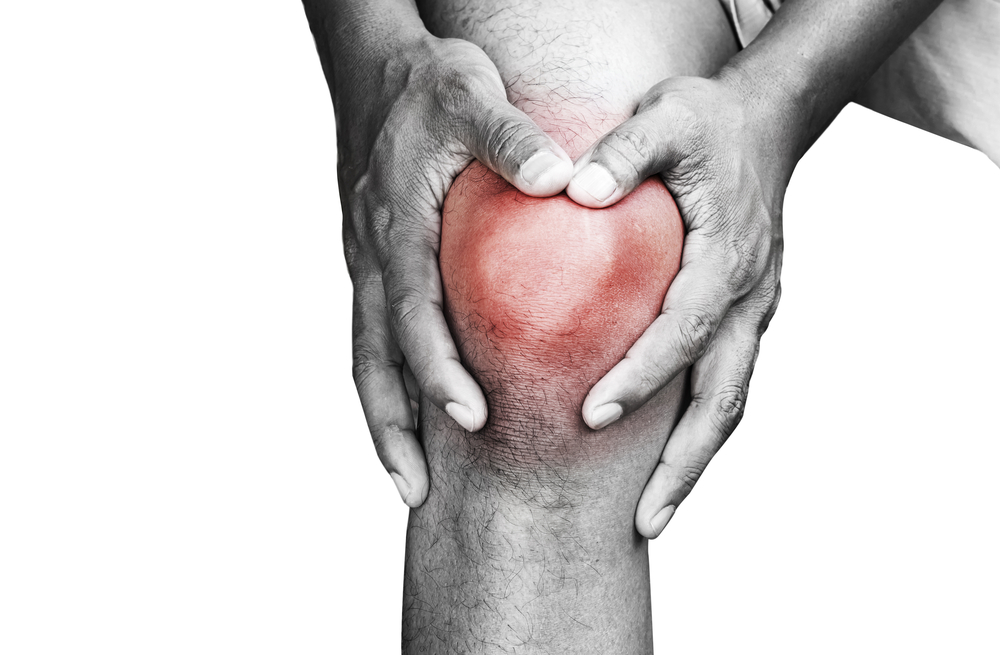
The zusanli acupuncture point may be especially effective in addressing IBS. It runs along the stomach meridian, and is located about four-finger widths below the bottom of the knee towards the outside of the shin. It’s considered to be one of the 12 most important acupoints on the body, and perhaps the most critical when dealing with issues of the stomach. Needling this point has been shown to decrease or even completely eliminate symptoms, in some cases with a single 10- to 20-minute treatment.

Healthy lifestyle choices such as getting adequate exercise, upping your intake of fiber, taking probiotics, and getting enough sleep are also ways to help alleviate the symptoms of IBS. If combined with an acupuncture plan designed specifically for your needs, you may be able to say goodbye to stomach issues for good. Schedule an appointment today.

4 Reasons to Drink Apple Cider Vinegar Daily

Drinking vinegar might not sound like the most appealing thing on the planet, but it may just be the daily boost your body needs. Apple cider vinegar, in particular, is a powerful body cleansing agent that’s been used as a healing elixir since 400 B.C. Raw apple cider vinegar is a naturally occurring antibiotic and antiseptic that can fight germs and kill bacteria.

Here are four reasons to drink apple cider vinegar every day:

Apple cider vinegar can lower blood sugar: Numerous studies have noticed a link between apple cider vinegar and balanced blood sugar. In a study of people with type 2 diabetes, those who took two tablespoons of ACV before bed found their glucose levels to be 4 to 6 percent lower when they awoke. Another found that those who drank apple cider vinegar before a high-carb meal cut their insulin sensitivity by up to 34 percent.

Apple cider vinegar can clear sinuses and heal sore throats: Apple cider vinegar has a high potassium content, which helps to break up mucus and clear the lymph nodes. Its antibacterial properties can help prevent an oncoming sinus infection or cold.

Apple cider vinegar can ease digestion: The pectin in apple cider vinegar has been linked to proper intestinal function. ACV is also an acetic acid that reduces appetite, increases metabolism, and slows fat accumulation, all of which could lead to healthy weight loss.

Apple cider vinegar can lower the risk of heart disease: A 2009 study from Japan found that those who took between one and two tablespoons of apple cider vinegar daily for 12 weeks saw significantly lower levels of triglycerides. High triglyceride counts may raise your risk for heart disease.

Incorporate apple cider vinegar into your diet daily by starting with one teaspoon and working your up to two tablespoons. It’s not recommended to go beyond that. It’s important to choose organic, unfiltered ACV in order to reap all of the benefits. You can take it straight or diluted into water or juice. Our favorite way to drink it is as a tonic. Whisk together one tablespoon of apple cider vinegar, half a tablespoon of pure maple syrup, half a teaspoon of ground ginger (another disease-fighting ingredient), and half a cup of filtered water. Drink roughly 20 minutes before meals.

FUN FACTS

massage fun facts seattle best massage dreamclinic

  • Worldwide, only 10 to 30 percent of people use traditional medicine, 70 to 90 percent use naturopathic and homeopathic health care.

4 Amazing Health Benefits of Bone Broth

Fruits, vegetables, Omega-3s — we all know the basics of a healthy eating plan. But have you considered incorporating bone broth into your diet?

The flavorful liquid, often found in traditional Chinese cooking and restaurant soups, is made by simmering lamb, chicken, or beef bones in vinegar and water for at least 24 hours. Thanks to the nutrients found in marrow, cartilage, and bone, the broth is being praised as one of the healthiest things we can consume. Rich in calcium, magnesium, iron, and collagen (just to name a few), bone broth has been shown to benefit many parts of our bodies, including the kidneys, liver, and lungs.

Here are just four of the ways bone broth can impact your overall health:

Liver detox: The liver is credited with being the hardest-working organ in the body, as its job is to process nutrients and rid our system of toxins. Bone broth is brimming with an amino acid called glycine, which plays an active role in the first phase of this detoxification.

Healthy bones and joint support: Bone broth is an excellent source of calcium, which is essential for encouraging healthy bones, muscle relaxation, and tissue repair. The chondroitin sulfate found in cartilage is important for maintaining joint health and stimulating immunity, while also lowering cholesterol and the risk of heart attack.

Gut health and wound healing: The gelatin in bone broth has shown to aid digestion and protect the lining of the digestive tract. For this reason, the broth is often recommended to those with issues such as leaky gut and IBS. Collagen, which is more or less a form of gelatin that’s found in the body, is needed to heal bruises and ease inflammation.

Beautiful skin: Speaking of collagen, the protein is also responsible for giving skin its firmness and shape. Bone broth can delay the formation of fine lines and wrinkles, as well as help repair itself after an injury.

Nutritionists suggest consuming bone broth at least once a day, either on its own, like tea, or as a base for soup. You can buy pre-made bone broth online, as long as it’s grass-fed and organic, or make your own at home. There are countless recipes for bone broth. Consider adding herbs and spices such as garlic, ginger and turmeric, which will increase the medicinal properties of the broth as well as play up its flavor.

Remove Scar Tissue With Massage

The formation of scar tissue is the result of the body’s natural healing process following an injury. After the occurrence of a wound such as a deep cut or burn, the body works to produce new collagen to strengthen the skin. This collagen is what’s responsible for the fibrous scar tissue that develops on top of the wound. It can take anywhere from three to 18 months for a scar to fully mature, depending on the severity of the injury.

While scarring is proof of our body’s amazing ability to heal itself, it can also lead to further problems down the road. When occurring across a joint, a hardened scar may cause skin to shorten or contract, which can limit range of motion or even cause deformity. If not managed correctly, scars may even dry out and reopen, causing a worse injury than before.

Often more damaging than the physical effects of scars are the psychological ones. Those with visible scarring may feel embarrassment, anger, sadness, or fear. If the scars were caused by an emotionally traumatic event, their presence can act as a daily reminder of that experience. Being forced to feel these negative emotions on a consistent basis may lead to bigger issues such as anxiety and depression.

For the right candidate, massage therapy can offer a wonderful solution for scar management. Post surgery there is often left behind scar tissue.  If the scar tissue is at surface of the skin, to remove it with massage gentle, circular motions are applied on and around the scar.  This speeds up healing by increasing blood circulation, encouraging lymphatic drainage, and easing the constriction of the damaged tissue.

For deeper level scar tissue, below the skin, the massage is deeper and will apply pressure in the direction perpendicular to the line of the scar, to help remove adhesions and restore muscle elasticity (“stretchiness”).

A study published in the International Journal of Therapeutic Massage & Bodywork also found that five weekly massage sessions made scars feel more comfortable and their appearance less noticeable. What’s more, massage has been proven to reduce negative states such as depression and anxiety, which can have a huge benefit on those who suffer from the psychological effects of scarring. 

Massage therapy for the management of scar tissue must be performed at the proper time in order to ensure the best results. The treatment is most effective on scars that have not yet fully matured, but are healed enough that there’s limited risk for reopening. In general, massage therapy can begin when the scar is fully closed and there’s no scabbing present, roughly two weeks after the initial injury.

If you have scarring that you think might benefit from massage, schedule an appointment with a licensed massage therapist in order to design a plan for your needs.